
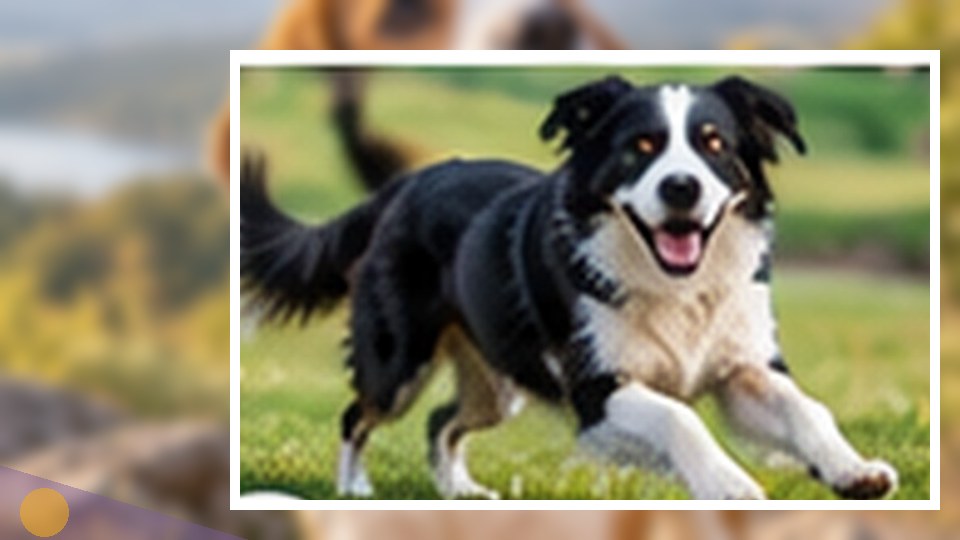
Dogs do not naturally use human-style hugging as a social signal. Some learn to enjoy close embraces from trusted people, while others merely tolerate them or find them uncomfortable, so body language is the best guide.
Dogs do not naturally use human-style hugging as a social signal. Some learn to enjoy close embraces from trusted people, while others merely tolerate them or find them uncomfortable, so body language is the best guide.
What is probably going on?
The human-dog bond is built through repeated social experiences: care, play, training, touch, predictable routines, and the feeling of safety. Dogs learn who provides important resources, but their relationships with people are more than simple food associations.
What should you look for?
Individual preferences matter. Some dogs seek physical contact, some prefer to stay nearby without being touched, and others show attachment through play or following. The strongest sign of a healthy bond is usually relaxed, voluntary engagement rather than forced closeness.
Let your dog opt in and out of interaction. Respecting small signals of discomfort often strengthens trust more than insisting on human-style affection.
What this means for you
Use the answer to do dogs understand hugs as a starting point, not a label for every dog. Compare the behavior with your dog’s normal routine, temperament, recent experiences, and the situation in which it happens. When the pattern is relaxed and predictable, it is usually most useful to respond calmly and consistently.
Evidence & sources
Evidence note: Research can measure behavior and physiology, but it cannot directly tell us exactly what a dog privately experiences. The answer separates observed behavior from human interpretation.
Last reviewed: September 19, 2026