
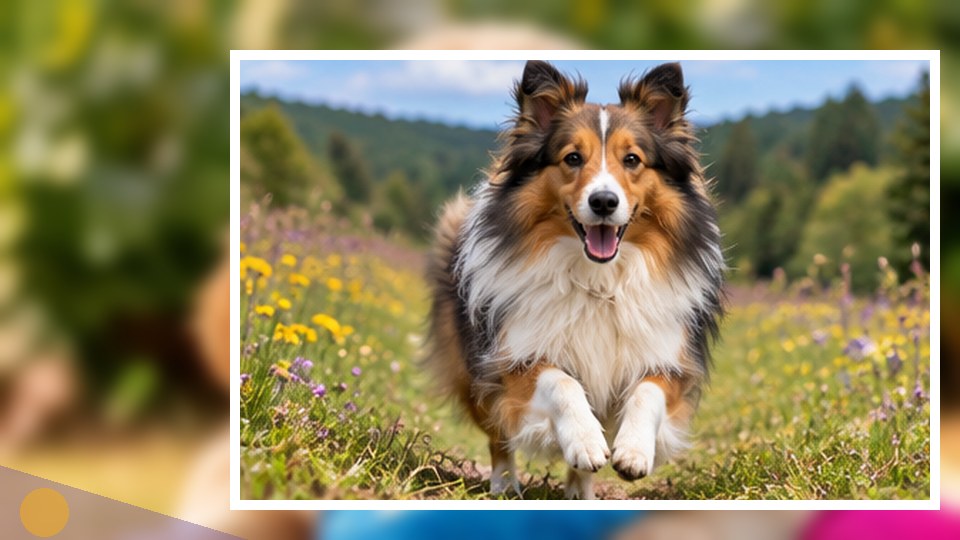
Puppies begin forming word associations as soon as repeated sounds reliably predict actions or outcomes. Simple cues can be learned very young, especially when training is brief, consistent, and reward-based.
Puppies begin forming word associations as soon as repeated sounds reliably predict actions or outcomes. Simple cues can be learned very young, especially when training is brief, consistent, and reward-based.
What is probably going on?
Puppies are learning almost constantly. They connect actions and cues with immediate outcomes, which is why short, frequent, reward-based practice works better than long sessions or punishment after the fact.
What should you look for?
Development matters too. A puppy may understand a skill in a quiet room but lose it outside because the environment is harder, not because the learning disappeared. Gradually add distance, duration, and distraction as the puppy succeeds.
Keep expectations age-appropriate, provide enough sleep and enrichment, and make the desired behavior easy to rehearse. Consistency across family members speeds learning.
What this means for you
Use the answer to when do puppies start understanding words as a starting point, not a label for every dog. Compare the behavior with your dog’s normal routine, temperament, recent experiences, and the situation in which it happens. When the pattern is relaxed and predictable, it is usually most useful to respond calmly and consistently.
Evidence & sources
Evidence note: Puppies learn through repeated associations, reinforcement, and development. Age, temperament, experience, and the training environment can all change how quickly a skill appears.
Last reviewed: September 19, 2026