
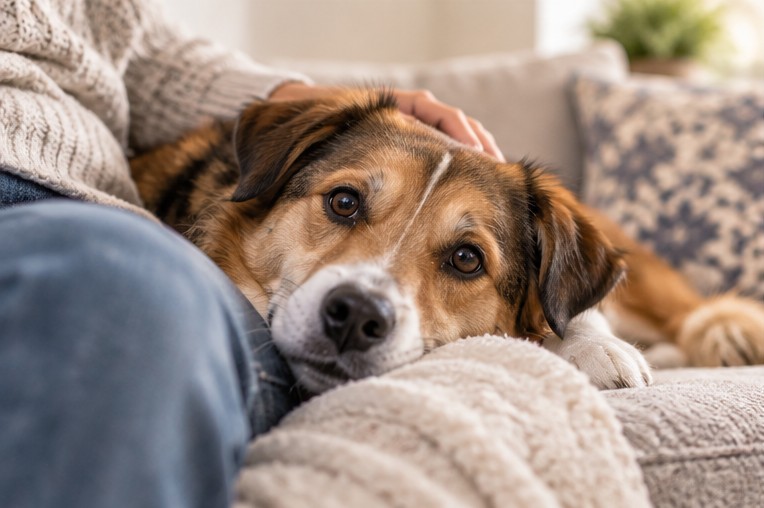
Many dogs learn your morning routine and start anticipating the moment when food, walks, or attention happen. They may also pick up subtle pre-alarm cues—like your breathing or movement—or respond to light, neighborhood noises, or their own need to potty. Gradual schedule changes, minimizing pre-alarm rewards, and better sleep conditions usually help. If the change is sudden, frequent, or paired with other symptoms, check with your veterinarian.
If your dog routinely beats your alarm, you are not alone. Dogs are keen observers of patterns, and many quickly learn when mornings bring food, walks, or attention. They also detect faint environmental cues—like the first hint of daylight or neighborhood sounds—and even subtle changes in your own breathing or muscle tone before you wake. While this is usually normal and fixable, sudden or disruptive early wake-ups can signal stress, discomfort, or a medical need.
Common reasons dogs wake you early
- Learned routine and anticipation: Dogs excel at picking up regular patterns. If breakfast, play, or walks consistently follow your alarm, your dog may start the process early in anticipation. Over time, the cue becomes the clock.
- Pre-alarm cues from you: Many people stir, change breathing, or roll over before the alarm sounds. Dogs are sensitive to these subtle signs and may interpret them as “morning has started.”
- Environmental cues: Sunrise, birdsong, traffic noises, or a heating system clicking on can function like an alarm for your dog. Even tiny light leaks can signal morning.
- Time-of-day learning: Dogs form strong associations with times and contexts. While they don’t read clocks, they can remember regular events and anticipate when they typically occur.
- Hunger or a need to potty: An earlier dinner, extra water late at night, or a change in activity can shift your dog’s needs to earlier in the morning.
- Boredom or anxiety: Some dogs wake early because they are restless, under-stimulated, or uneasy. Nighttime or early-morning anxiety can also prompt pacing, whining, or pawing.
- Pain or medical discomfort: Arthritis aches on cold mornings, gastrointestinal upset, urinary issues, or age-related cognitive changes can all lead to earlier waking.
How to help your dog sleep later
- Rule out urgent needs first: If your dog urgently needs to eliminate, take them out. A sudden change to much earlier wake-ups, new accidents, vomiting, diarrhea, coughing, increased thirst/urination, or signs of pain warrants a veterinary check.
- Shift the schedule gradually: Move morning “payoffs” (meal, walk, play) later by 10–15 minutes every few days. Consistency helps the new time stick without creating frustration.
- Delay the reward until after your alarm: Keep lights low and interactions calm if your dog wakes you early. Avoid feeding, walking, or lively play until the alarm has sounded and your dog is quiet for a few seconds—then calmly reward.
- Use environmental tweaks: Try blackout curtains to block dawn light and a white-noise machine or fan to mask birds and traffic. Set the thermostat for comfort; chilly or stuffy rooms can disrupt sleep.
- Offer a late potty break: A calm, quick outing shortly before bed reduces 5 a.m. bathroom requests.
- Balance exercise and enrichment: Provide age-appropriate physical activity and mental work (training games, scent games, puzzle feeders) during the day. Over-arousal right before bed can backfire; aim for gentle wind-down activities in the evening.
- Feed smart: If hunger is the driver, speak with your vet about meal timing. Some families find that splitting dinner or using a small, vet-approved bedtime snack helps.
- Consider an automatic feeder: If your dog fixates on breakfast, a timed feeder set a bit later than your current wake time can take pressure off you while you adjust the routine. Pair it with calm, low-key mornings.
- Reinforce quiet: Briefly mark and reward moments of calm after the alarm. Avoid scolding for early waking; attention—positive or negative—can accidentally reinforce the behavior.
- Track patterns: Keep a simple log of wake times, meals, water, exercise, and potty trips. Noticing patterns makes it easier to adjust the right lever.
When to call your veterinarian
- Sudden or severe change: If your dog abruptly starts waking much earlier and can’t settle back down, especially if paired with pacing, panting, trembling, or vocalizing.
- Medical red flags: Increased thirst/urination, accidents, vomiting, diarrhea, coughing, stiffness, limping, or obvious discomfort.
- Older dogs with new night waking: Age-related cognitive changes can disturb sleep-wake cycles. Your vet can rule out pain and discuss treatments or management.
- Persistent anxiety: If worry or restlessness is driving early wake-ups, your vet can help rule out medical causes and may suggest behavior support or referral to a qualified trainer.
Most dogs can learn to sleep a little later once the morning “rewards” move to your preferred time and the environment supports rest. Progress is rarely perfectly linear—stick with small, consistent changes, and celebrate gradual wins.
Evidence & sources
Evidence note: This answer draws on research summaries about canine cognition and memory from AKC, which describe dogs’ skill at learning routines and associations, plus veterinary guidance on anxious behaviors from Cornell. Specific causes vary by dog; we avoid claiming certainty about internal mental states and recommend veterinary care for sudden, severe, or persistent changes.
Last reviewed: September 19, 2026