
Dog Behavior
Why does my dog put a paw on me?
A paw can be a request for attention, petting, food, play, or help, especially if that gesture has worked before. Read the rest of the…
Read the answer →Staring, licking, barking, following, digging, sleeping, zoomies, and more.
A paw can be a request for attention, petting, food, play, or help, especially if that gesture has worked before. Read the rest of the…
Read the answer →
Rolling over can invite belly rubs, signal relaxed play, show appeasement, or simply be a comfortable stretch. A loose wiggly body means something different from…
Read the answer →
Many healthy dogs occasionally eat grass, and the behavior does not always mean they are sick. Repeated grass eating with vomiting, appetite change, pain, or…
Read the answer →
Circling can be a normal settling routine related to finding a comfortable position and checking the sleeping spot. New, persistent circling—especially with confusion, pain, or…
Read the answer →
Scratching or pawing at bedding is a common nesting behavior. Dogs may be adjusting texture, temperature, or comfort, and many repeat the ritual because it…
Read the answer →
Ground-scratching after elimination can spread scent from glands in the paws and add a visible mark to the area. It is normal communication behavior in…
Read the answer →
Staring can mean several things: your dog may be asking for something, watching for a cue, seeking social connection, or trying to predict what happens…
Read the answer →
Licking can be social, attention-seeking, exploratory, self-soothing, or reinforced because it gets a reaction. A sudden increase in licking can also accompany stress or physical…
Read the answer →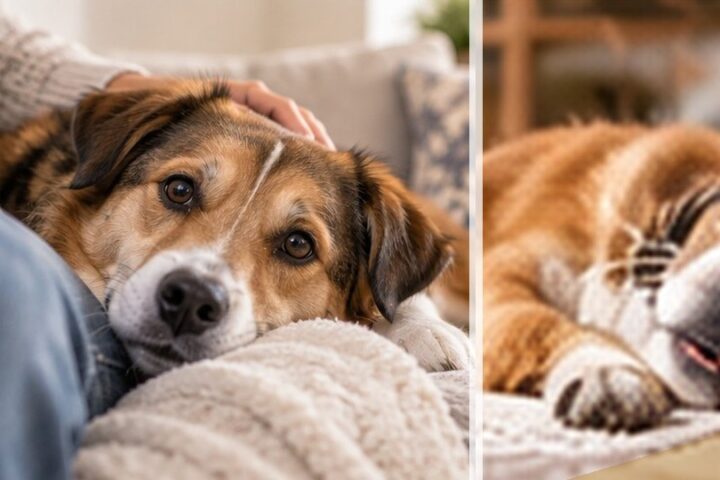
A relaxed sigh often appears when a dog settles down or gives up on getting something. Frequent or labored sighing can also occur with discomfort…
Read the answer →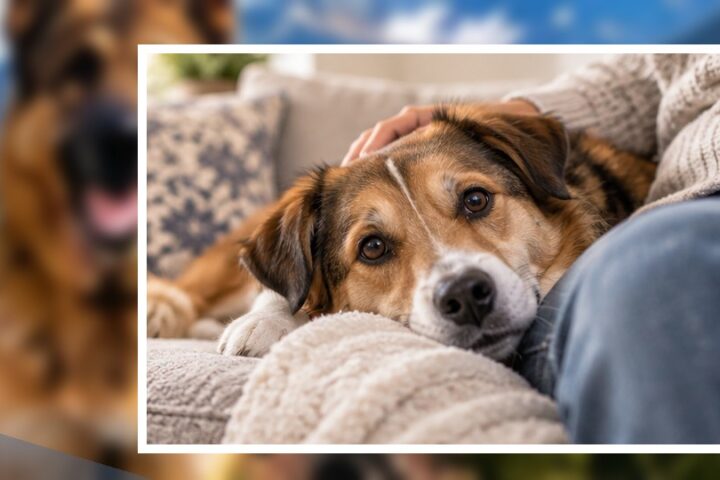
Bringing a toy can be an invitation to play, a learned way to get attention, or part of a dog's natural retrieving and carrying behavior.…
Read the answer →